

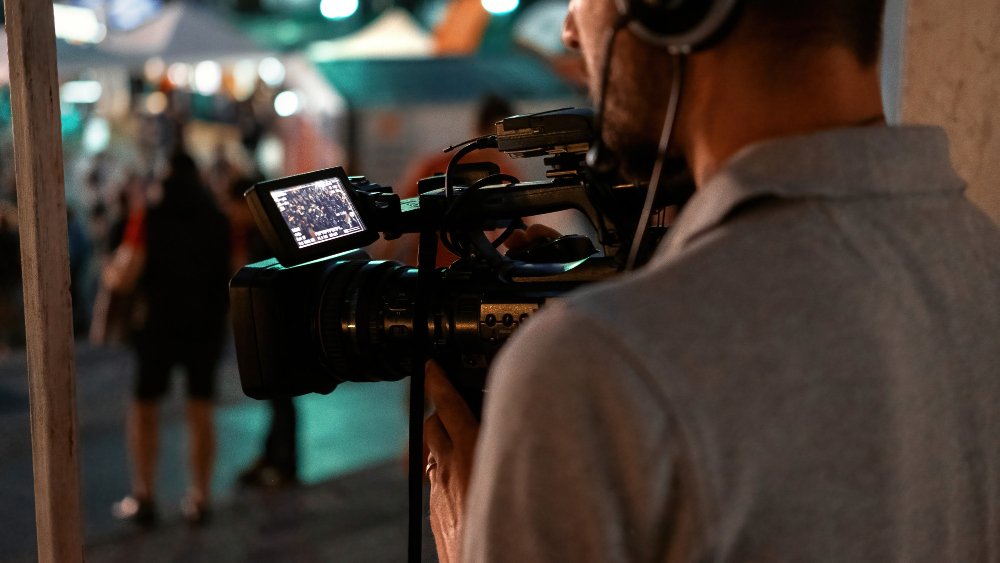
If you’ve ever watched a live event run seamlessly — the sound clear, the lighting right, the screens working perfectly — there was almost certainly an event production company working hard behind the scenes. But if you’ve never hired one before, you might be wondering exactly what an event production company does, and whether you actually need one.
The answer is more practical than you might think. Understanding what event production company services include can save you a lot of last-minute stress, and help you plan a better, more reliable event from the outset.
In this guide, we’ll walk through everything a live event production company typically handles — from the first planning conversation right through to the final pack-down.
What Is an Event Production Company?
An event production company is a specialist technical supplier that plans, supplies, and manages the audio visual and technical elements of live events. This typically includes sound, lighting, video, staging, and the crew needed to operate it all.
Some companies focus purely on the technical delivery. Others offer broader project management alongside the technical work. Either way, the core job is the same: make sure the technical side of an event works properly, so the organiser can focus on everything else.
Event production companies work across a wide range of settings, including:
- Corporate conferences and product launches
- Awards ceremonies and galas
- Live music concerts and touring productions
- Hybrid and virtual events
- Public and outdoor events
- Houses of worship and educational institutions
What Does an Event Production Company Actually Do?
This is the question most clients start with, and it’s a fair one. The honest answer is: quite a lot. But it can be broken down clearly.
At its core, an event production company handles the technical delivery of an event. That means designing the right setup for the venue and audience, supplying and installing the equipment, operating it during the event, and making sure everything runs without technical problems.

Pre-Event Planning and Consultation
Before any equipment is loaded into a venue, a good event production company will want to understand what you’re trying to achieve. This involves:
- Understanding the event format and programme
- Reviewing the venue layout and technical specifications
- Identifying any technical challenges in the space
- Recommending the right solution for your budget and audience size
This planning stage is where experience really counts. A company that has worked in hundreds of venues will spot potential problems early — poor acoustics, inadequate power supply, sightline issues — and design around them before they become problems on the day.
Technical Design and System Specification
Once the brief is understood, the production company will design the technical system to suit the event. This is not just a kit list. A well-designed system is built around the specific demands of the event: the size of the audience, the nature of the content, the structure of the programme, and the layout of the venue.
For a conference, that might mean designing a PA system with consistent coverage across a large room, video screens positioned so every delegate can see clearly, and a presentation system that makes it simple for speakers to manage their own content.
For a live music event, it means a very different technical approach: a larger-scale PA, monitor systems for performers, a full lighting rig, and often a more complex stage setup.
Equipment Supply and Logistics
A production company supplies all the technical equipment needed for the event. This is delivered, installed, and tested well before the event starts. Equipment typically includes:
- PA systems and speaker arrays
- Mixing desks and audio processing
- Microphones and radio systems
- LED screens and video switching
- Stage and intelligent lighting
- Staging, risers, and lecterns
- Cabling, power distribution, and backline
Reputable companies maintain their own inventory, which means you’re not relying on third-party hire houses with unknown kit. It also means the crew know the equipment inside out.
Event Production Company Roles and Responsibilities
One thing that surprises many clients is how many specialist roles are involved in a well-run production. Here are the key people you’ll find on a typical event production crew.
Production Manager
The production manager oversees the entire technical operation. They coordinate logistics, crew, and suppliers, manage the schedule, and act as the main point of contact for the client. If something needs to change on the day, the production manager makes it happen.
Lighting Technician
The lighting technician designs and operates the lighting for the event. This covers stage wash lighting, intelligent moving lights, architectural and ambient lighting, and any special effects where required. Lighting has a significant effect on how an event feels, and a well-designed rig can transform a plain conference room into something that feels polished and professional.
Video and AV Technician
For events with screens, presentations, or video content, a dedicated AV technician manages the video signal routing, operates the screens, and ensures presentations, livestreams, and video playback all work correctly. This role becomes particularly important for hybrid events where the in-room experience needs to translate reliably to a remote audience
Audio Engineer
The audio engineer is responsible for all sound at the event. This includes setting up and operating the PA system, mixing live sound for presentations, speeches, or performances, and managing radio microphone systems. A good audio engineer makes the difference between speech that is clear and comfortable to listen to, and speech that echoes, distorts, or drops out unexpectedly.
What Is Included in Event Production Services?
The specific services included will vary between companies and events, but most full-service event production packages cover the following.
Audio (Sound)
- PA system design and installation
- Front-of-house sound mixing
- Stage monitoring for performers
- Radio microphone management
- In-ear monitoring where required
Audio (Sound)
- PA system design and installation
- Front-of-house sound mixing
- Stage monitoring for performers
- Radio microphone management
- In-ear monitoring where required
Video and Visuals
- LED screen supply and installation
- Presentation management (PowerPoint, Keynote, video playback)
- IMAG (image magnification) for larger events
- Livestreaming and hybrid event support
- Video switching and signal distribution
Staging and Infrastructure
- Modular staging and risers
- Lecterns, podiums, and furniture
- Trussing and rigging
- Power distribution and cabling

What Does a Live Event Production Company Do on the Day?
The day of the event is where preparation pays off. A well-organised production team will typically follow this kind of structure.
- Get-in and load-in: All equipment arrives at the venue and is carried in, positioned, and cabled according to the pre-planned design.
- Build and installation: The staging, screens, PA system, and lighting rig are built and installed. This is checked against the design, and any adjustments are made.
- Technical testing: All systems are tested individually and together. Audio levels are set, video signals are confirmed, and the lighting programme is checked.
- Sound check and technical rehearsal: If there are speakers, presenters, or performers, a rehearsal is run. This gives everyone a chance to get comfortable with the setup before the audience arrives.
- Show operation: The crew operates all technical systems during the event. Audio engineers manage the sound, lighting operators run the rig, and AV technicians manage screens and presentations.
- Get-out: Once the event ends, everything is packed down, loaded out, and the venue is left clean and clear.
Throughout all of this, the production team is monitoring for problems and dealing with them before they affect the event. In most cases, the audience never knows anything was wrong.
Pro Tips: Getting the Most from Your Event Production Partner
Working effectively with an event production company makes a real difference to how smoothly things go. Here are a few practical tips from experience.
Brief them early
The earlier you bring a production company into the planning process, the more they can help. Early involvement means they can influence venue selection, flag technical constraints before they become problems, and build a more cost-effective solution from the start.
Share your programme in detail
A detailed running order — with timings, speaker names, content formats, and any changes of plan — allows the production team to prepare properly. Last-minute surprises on the day are far easier to manage when the crew already understands the event inside and out.
Allow adequate build time
One of the most common causes of technical problems at events is not enough time to set up and test properly. Always discuss get-in times with your production company early, and make sure the venue access schedule reflects what they need.
Trust their technical recommendations
A good production company will give you straightforward advice about what will and won’t work. If they recommend a certain approach, it’s usually because they’ve seen the alternative fail in similar circumstances. Listen to the technical guidance, especially on issues like venue acoustics, power supply, and sight lines.
Common Mistakes to Avoid When Hiring an Event Production Company
Focusing only on price
The cheapest quote is rarely the best value. Under-resourced production teams cut corners on crew numbers, equipment quality, or preparation time — and those corners tend to show up as problems during the event itself.
Leaving it too late
Good production companies book up well in advance, particularly for peak periods. If you approach a company two weeks before a large event, you may find their best crew and equipment already committed elsewhere.
Not confirming the technical specification of the venue
Many venues overstate their in-house technical capabilities, or have equipment that is not well maintained. Always confirm the actual specification directly with the venue and share it with your production company so they can supplement or replace what is needed.
Skipping the technical rehearsal
A technical rehearsal might feel like an optional extra when time is tight, but it is one of the most effective ways to prevent problems on the day. It gives presenters confidence, confirms that all technical elements are working together, and gives the crew a chance to respond to any issues before the audience arrives.
Frequently Asked Questions
What does an event production company do differently from an AV hire company?
An AV hire company typically supplies equipment on a dry-hire basis — you get the kit, but you manage the setup and operation yourself. An event production company supplies the equipment and provides the crew to install, operate, and manage it throughout the event. You get both the technical resource and the expertise.
What does an event production company handle that the venue does not?
Many venues have basic in-house AV, but it is rarely sufficient for professional events. An event production company supplements or replaces the venue’s equipment with a system designed specifically for your event, and provides specialist engineers to operate it rather than venue technicians with a general responsibilities brief.
What is included in event production services for a conference?
For a typical conference, event production services would include PA system design and operation, microphone systems for speakers and Q&A, presentation management, screen and projection or LED setup, stage lighting, and full technical crew. Depending on the event, livestreaming and recording may also be included.
What does a live event production company do for hybrid events?
For hybrid events, a production company manages both the in-room technical experience and the livestream output. This includes video switching, camera operation, streaming encoding and distribution, and making sure the online audience receives a clear, well-produced broadcast rather than a phone propped against a screen.
How far in advance should I contact an event production company?
For large events, six to twelve months ahead is not unreasonable, particularly if the event falls in a busy period. For smaller events, three to six months gives a good production company enough time to plan properly and secure the right crew. The earlier the better — it always results in a better-prepared event.
Conclusion
So, what does an event production company really do? In short: it makes the technical side of your event work properly, so you don’t have to worry about it.
From the initial planning conversation to the final pack-down, a good production company designs the right system for your event, supplies and installs the equipment, provides the specialist crew to operate it, and deals with any technical problems before they reach your audience.
The result is a well-run event where the sound is clear, the visuals are sharp, and the technical delivery does what it’s supposed to do — quietly, reliably, and without drama.
Whether you’re planning a large corporate conference, a live music event, or a hybrid broadcast, Spotlight Sound brings the experience and practical expertise to deliver it properly.
Ready to talk about your event? Get in touch with Spotlight Sound for straightforward advice and a practical technical solution designed around what you actually need.


