

Choosing the wrong stage for your event can cause real problems — wasted time, last-minute scrambles, and a setup that simply doesn’t suit the space. That’s why more event organisers across the UK are turning to modular stage hire services as a smarter, more flexible alternative to fixed or traditional staging options.
Whether you’re planning a corporate conference, an outdoor festival, or an awards evening, modular staging solutions for events give you the adaptability you need without compromising on quality or safety. In this guide, we’ll walk through what modular staging is, why it works so well in practice, and what to look for when choosing a supplier.
What Is Modular Stage Hire?
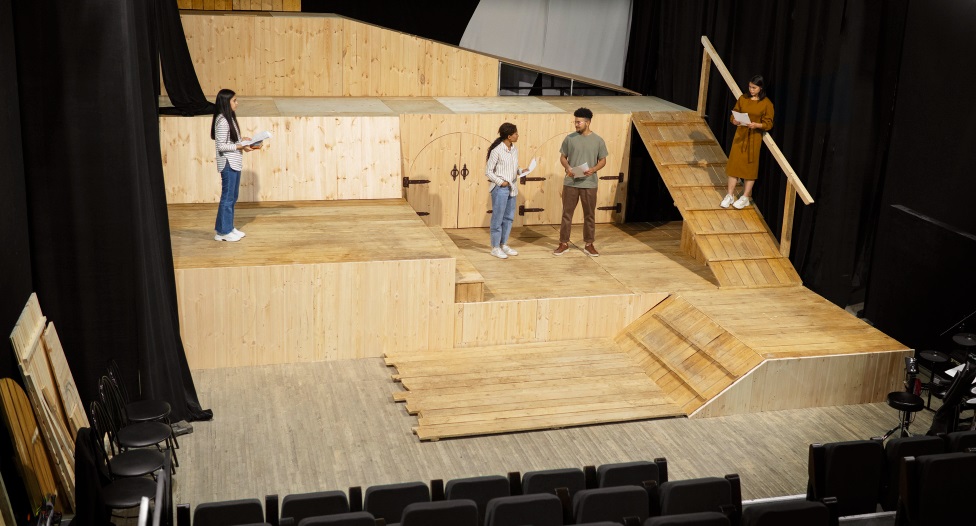
Modular staging is made up of individual platform sections — usually lightweight aluminium frames with decking panels — that lock together to form a complete stage. Unlike fixed or custom-built stages, these sections can be reconfigured into different shapes, heights, and sizes depending on what the event requires.
That flexibility is what sets modular staging apart. You’re not working with a one-size-fits-all solution. Instead, the stage is designed around how the space is actually used.
Key Benefits of Modular Staging Solutions for Events
There are several good reasons why modular staging solutions for events have become the go-to choice for experienced event planners across the UK.
Flexibility for Different Venue Layouts
Every venue is different. A modular stage can be adapted to fit unusual room dimensions, outdoor spaces, or venues where access is restricted. Whether you need a long rectangular stage for a fashion show or a thrust layout for a product launch, the system adjusts to suit your needs.
Faster Setup and Breakdown
Modular systems are designed to go up quickly and come down just as fast. This is particularly important when venue access is limited, or when turnaround between events is tight. Experienced crews can configure a modular stage in a fraction of the time it would take to build a traditional structure.
Cost-Effective Compared to Custom Builds
Because modular staging is reusable and scalable, hire costs are typically lower than commissioning a bespoke build. You pay for what you need, and nothing more. For events with varying audience sizes or space requirements, this is a practical advantage.
Consistent Safety Standards
Reputable UK staging suppliers work to established load ratings and safety standards. Modular systems are tested and certified, which gives event organisers peace of mind — particularly for outdoor events or those with performers, speakers, or equipment on stage.
Scalable for Events of Any Size
From a small podium for an internal briefing to a full outdoor main stage for a festival, modular systems scale up or down with ease. That consistency is useful for organisations that run multiple events at different scales throughout the year.
Indoor and Outdoor Modular Stage Hire: What’s the Difference?
Both indoor and outdoor modular stage hire draw on the same fundamental system, but there are practical differences worth understanding.
Indoor Stage Hire
Indoor venues usually offer more controlled conditions. Stages can be set closer to the floor, access routes are more predictable, and weather is not a factor. That said, ceiling height, load-bearing floors, and access restrictions all need to be factored into the design.
For indoor events, the stage height, edge protection, and finishing (carpeting, skirting, steps) all contribute to how professional the final setup looks.
Outdoor Stage Hire
Outdoor events introduce additional considerations. Ground conditions, drainage, wind loading, and weather protection all affect how a stage is specified and installed. For larger outdoor events, the staging will often need to integrate with a roof structure or canopy.
A good modular staging supplier will assess the site in advance and recommend the right specification — not just the cheapest option. If you’re planning an outdoor event, it’s worth discussing the site conditions early in the process.
How Modular Staging Improves Event Setup
One of the most underrated benefits of modular staging is the positive impact it has on the overall event setup process. Here’s how it helps in practice:
Reduces last-minute problems. Because modular staging is well-tested and straightforward to install, there’s less risk of something going wrong on the day. Experienced crews know the system, and any issues can usually be resolved quickly.
Works well alongside other technical elements. Stage height, position, and shape directly affect how lighting rigs are rigged, where speakers are flown or placed, and how video screens or LED walls are integrated. A well-planned modular stage makes the rest of the technical delivery easier.
Allows for late changes. Event requirements sometimes shift close to the day. Because modular staging can be reconfigured with relative ease, it’s more forgiving when plans change — whether that’s a different stage layout or an adjustment to the access route.
Supports a professional look. Finished well, a modular stage looks clean and purposeful. Skirting, carpet, steps, and edge protection all contribute to a polished final result that reflects well on the event organiser.
Modular Stages for Corporate Events
Corporate events have specific requirements. Branding, audience sight lines, speaker comfort, and technical integration all need to be considered from the outset.
Modular stages for corporate events are particularly well-suited because:
- They can be sized precisely to fit the room without wasted space or awkward proportions
- They integrate cleanly with AV systems — screens, confidence monitors, microphone setups, and lighting can all be planned around the stage from the start
- They support different event formats — panel discussions, keynote presentations, awards ceremonies, and product launches all benefit from different stage configurations
- They can be branded with custom skirting, step risers, or carpet in company colours
For organisations running regular events throughout the year, working with a consistent staging supplier also helps. You build a relationship, the supplier understands your preferences, and the setup process becomes more efficient each time.
Pro Tips for Getting the Most from Your Stage Hire
- Share a floor plan early. The sooner your staging supplier has accurate room dimensions, the sooner they can recommend the right configuration and identify any access or logistical challenges.
- Confirm the technical requirements upfront. If you’re flying speakers, rigging lighting over the stage, or mounting screens nearby, this affects how the stage is positioned and what additional support may be needed.
- Ask about the finish. Steps, handrails, edge protection, carpet, and skirting all affect how the stage looks and how safely performers and speakers can move on and off.
- Book early for outdoor events. Outdoor staging has more variables, and reputable suppliers get booked well in advance during peak seasons (spring through autumn).
- Check what’s included. Delivery, installation, dismantling, and collection should all be confirmed. Ask whether an engineer will be on-site during the event.
Common Mistakes to Avoid
Even experienced event planners occasionally run into problems with staging. Here are the most common ones:
Not accounting for access routes. A stage that looks perfect on a floor plan can be difficult to deliver and install if the venue has narrow corridors, low ceilings, or loading restrictions. Always flag this early.
Underestimating the load. If you’re placing heavy equipment on stage — backline, lighting rigs, LED screens — confirm that the staging specification handles the load. Most modular systems have published load ratings; make sure your supplier is working within them.
Leaving staging decisions too late. Staging affects everything else. Where the stage goes determines where speakers, screens, and lighting are positioned. Getting staging confirmed early makes the rest of the planning process much more straightforward.
Choosing on price alone. A cheaper option that arrives late, goes up slowly, or doesn’t meet safety standards is not a saving. Reliability and experience matter — particularly for events where there’s no room for things to go wrong.
FAQ
What is modular stage hire and how does it work?
Modular stage hire involves hiring a system of interlocking platform sections that can be configured into a range of sizes and shapes. A crew delivers, assembles, and (after the event) dismantles the stage. The configuration is agreed in advance based on the venue, event type, and technical requirements.
How much does modular stage hire cost in the UK?
Costs vary depending on stage size, height, location, access requirements, and the level of finishing specified. For a realistic quote, most suppliers will need a floor plan, the dates, and a clear brief on what the stage needs to accommodate. Requesting a detailed quote early helps avoid surprises.
Can modular staging be used outdoors?
Yes. Outdoor modular stage hire is common for festivals, outdoor corporate events, community events, and sporting occasions. Outdoor stages require additional consideration for ground conditions, wind loading, and weather protection. A good supplier will assess the site and recommend the right specification.
What size modular stage do I need for my event?
Stage size depends on the number of people using it, the equipment placed on it, and how the audience is arranged. As a rough guide, a keynote speaker with a screen and basic AV might need a stage of around 6m x 4m, while a full band or large panel event may need considerably more. Your staging supplier can advise based on your brief.
How far in advance should I book modular stage hire?
For indoor events, booking four to eight weeks ahead is usually sufficient. For larger outdoor events or those in peak season (spring to autumn), booking three to six months ahead is advisable. The earlier the better — not just to secure availability, but to allow proper planning time.
Conclusion
Modular staging is not just a practical choice — it’s a smarter one. It gives event organisers the flexibility to work with different venues and formats, the confidence that comes from a tested and certified system, and the reliability that helps events run more smoothly from setup to finish.
For UK events of any scale, from a corporate morning briefing to a full outdoor summer festival, modular stage hire services offer a consistent, professional solution that fits the brief without unnecessary complication.
At Spotlight Sound, we work with event organisers across the UK to deliver staging that’s right for the space, properly integrated with the wider technical setup, and supported throughout the process. If you’re planning an event and want straightforward advice on the right staging solution, get in touch and we’ll help you work it out.